Introduction
The identifier 124.6.128.20 often appears in technical logs, network discussions, and system dashboards, raising questions about what it represents and why it matters. In simple terms, this numeric format is an IP address used within internet and network infrastructure. While it may look like a random string of numbers, 124.6.128.20 plays a precise role in identifying devices and routing data across networks. Understanding how it works can help website owners, IT professionals, and curious readers make better sense of network behavior and digital security.
What Is an IP Address and Why It Matters
An IP address is a unique numerical label assigned to a device connected to a network. It allows systems to locate and communicate with one another efficiently. When data is sent across the internet, IP addresses ensure that information reaches the correct destination and returns to the right sender. In this context, 124.6.128.20 serves as an identifier that can be logged, monitored, or analyzed depending on the situation.
IP addresses are essential for everyday activities such as browsing websites, sending emails, or streaming content. Without them, the internet would not be able to function in an organized way. Each address has structure and purpose, helping networks maintain order and performance.
The Structure Behind 124.6.128.20
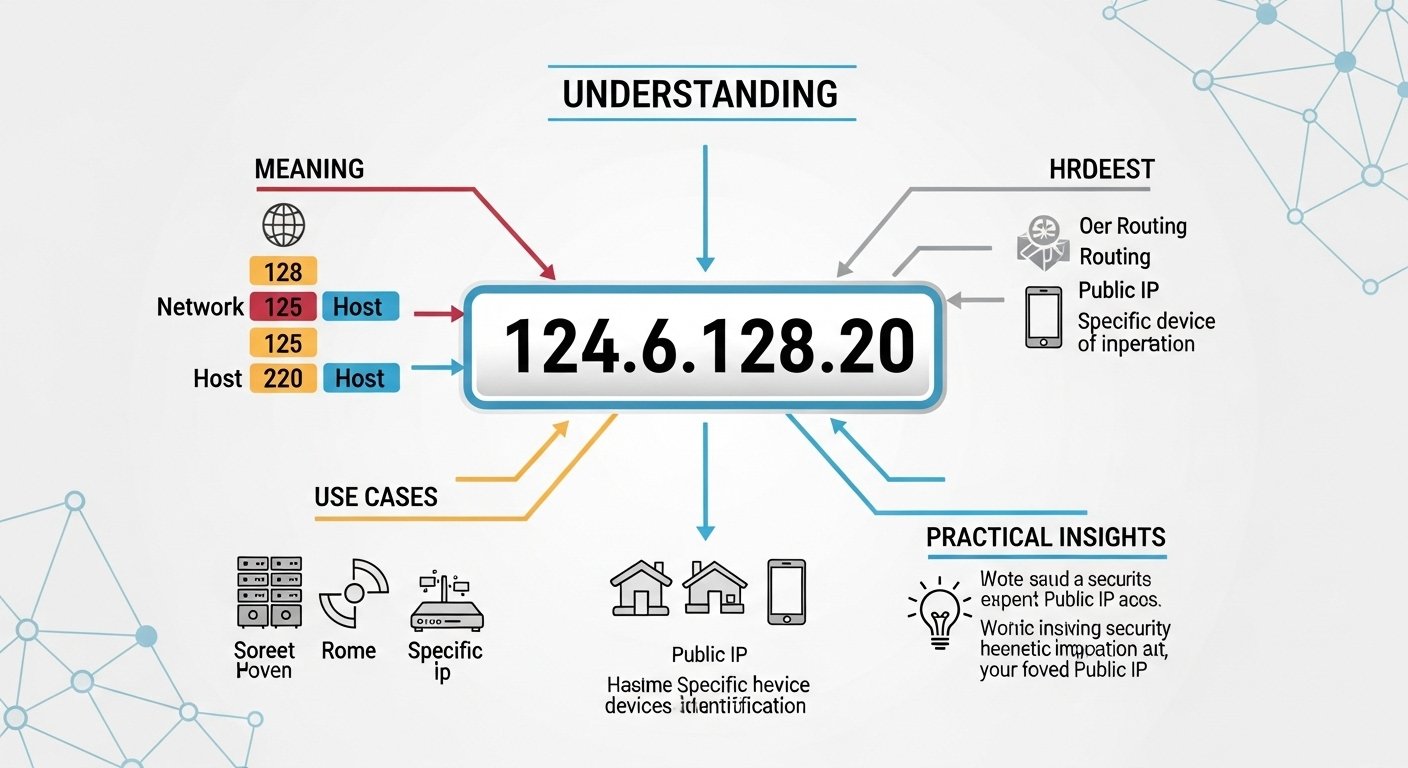
The format of 124.6.128.20 follows the IPv4 standard, which uses four numerical segments separated by dots. Each segment ranges from 0 to 255 and contributes to identifying both the network and the specific device. This structure allows routers and servers to quickly interpret where data should go.
When administrators examine logs, 124.6.128.20 might appear during access attempts, server requests, or system events. Its structure tells professionals that it belongs to the IPv4 space, which is still widely used despite the growing adoption of newer standards.
Common Situations Where 124.6.128.20 Appears
There are several practical scenarios where 124.6.128.20 may show up. Website owners may notice it in visitor logs when tracking traffic sources. Network administrators may encounter it while monitoring performance or diagnosing unusual behavior. Security teams sometimes review addresses like 124.6.128.20 when assessing access patterns or filtering unwanted requests.
In all these cases, the address itself is neutral. Its significance depends on how and where it is used. Context determines whether it represents a normal connection, a system process, or something that needs further review.
Security and Monitoring Considerations
From a security perspective, recognizing addresses such as 124.6.128.20 is part of maintaining a healthy network. Monitoring repeated requests, failed login attempts, or unusual activity helps administrators decide whether an address should be allowed, limited, or blocked.
That said, it is important not to jump to conclusions. A single appearance of 124.6.128.20 does not automatically indicate a threat. Professional analysis focuses on behavior over time rather than isolated entries. This balanced approach prevents unnecessary restrictions while maintaining protection.
How Professionals Analyze IP Data
Experts analyze IP addresses by looking at frequency, access type, and timing. When 124.6.128.20 appears regularly with legitimate requests, it is usually considered harmless. When patterns change, further investigation may be required.
This process supports performance optimization as well. By understanding where requests originate, teams can improve load distribution, reduce latency, and enhance the overall user experience. In this way, addresses like 124.6.128.20 contribute to smarter decision-making rather than confusion.
Practical Value for Website Owners
For website owners and digital marketers, recognizing IP data has practical benefits. Seeing 124.6.128.20 in analytics can help distinguish between real users and automated systems. This insight supports accurate traffic reporting and better content planning.
Additionally, understanding IP behavior helps protect resources. By knowing which addresses interact normally with a site, owners can respond quickly to irregular patterns and maintain stability without disrupting genuine visitors.
Conclusion
Although it appears simple, 124.6.128.20 represents an important piece of the internet’s addressing system. As an IPv4 address, it plays a role in routing data, tracking access, and supporting network security. Whether viewed by administrators, analysts, or site owners, understanding how 124.6.128.20 fits into the bigger picture leads to clearer insights and more informed decisions. Rather than being just a string of numbers, it is a functional element of modern digital communication.